No Result
View All Result
  • 로그인
No Result
View All Result
서울대학교 행복연구센터
No Result
View All Result

Baker, W. E., &Bulkley, N. (2014). Paying it forward vs. rewarding reputation: Mechanisms of generalized reciprocity. Organization science, 25(5), 1493-1510.

서울대학교 행복연구센터 by 서울대학교 행복연구센터
5월 10, 2021
in 연구논문, 행복DB
0
Share on Facebook

Generalized reciprocity is a widely recognized but little studied component of social capital in organizations. We develop a causal model of the multiple mechanisms that sustain generalized reciprocity in an organization, drawing together disparate literatures in the social, organizational, and biological sciences. We conduct the first-ever critical test of two key mechanisms: paying it forward and rewarding reputation. These are fundamentally different grammars of organizing, either of which could sustain a system of generalized reciprocity. In an organization, paying it forward is a type of organizational citizenship behavior (OCB) that occurs when members of an organization help third parties because they themselves were helped. Rewarding reputation is a type of OCB that occurs when peers monitor one another, helping those who help others and refusing to help those who do not. Using behavioral data collected from members of two organizational groups over a three-month period, we found that reputational effects were strongest in the short term but decayed thereafter. Paying it forward had stronger and more lasting effects. Dominant theories assume that rewarding reputation is the main cause of generalized reciprocity, but our analysis demonstrates that generalized reciprocity in an organization occurs for multiple reasons. We use the empirical findings to develop propositions about the mechanisms of generalized reciprocity in organizations and link these to management practices. Our study contributes to social exchange theory, macro-level prosocial behavior, OCB, positive organizational scholarship, and management.


Baker, W. E., & Bulkley, N. (2014). Paying it forward vs. rewarding reputation: Mechanisms of generalized reciprocity. Organization science, 25(5), 1493-1510.

https://doi.org/10.1287/orsc.2014.0920


Tags: prosocialReciprocity
Previous Post

Lee, F., Edmondson, A. C., Thomke, S., &Worline, M. (2004). The mixed effects of inconsistency on experimentation in organizations. Organization Science, 15(3), 310-326.

Next Post

Brown, S. L., Smith, D. M., Schulz, R., Kabeto, M. U., Ubel, P. A., Poulin, M., … &Langa, K. M. (2009). Caregiving behavior is associated with decreased mortality risk.

Related Posts

[연구참여자 모집/사례 지급] 자유연상 패턴과 심리적 속성 간의 관계 탐색
연구논문

[연구참여자 모집/사례 지급] 자유연상 패턴과 심리적 속성 간의 관계 탐색

5월 21, 2024
968
Vol.92 몸으로 마음을 움직이는 법
미디어

Vol.92 몸으로 마음을 움직이는 법

2월 29, 2024
667
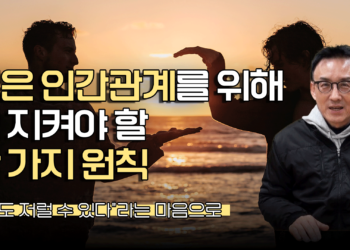
좋은 인간관계를 위해 꼭 지켜야 할 한 가지 원칙
미디어

좋은 인간관계를 위해 꼭 지켜야 할 한 가지 원칙

1월 9, 2024
1k
Next Post

Brown, S. L., Smith, D. M., Schulz, R., Kabeto, M. U., Ubel, P. A., Poulin, M., ... &Langa, K. M. (2009). Caregiving behavior is associated with decreased mortality risk.

  • 01-행복연구센터
  • 01-행복연구센터-교육사업
  • 01-행복연구센터-문화컨텐츠사업
  • 01-행복연구센터-센터소개
  • 01-행복연구센터-연구사업
  • 02-행복DB
  • 02-행복DB-도서
  • 02-행복DB-명언
  • 02-행복DB-미디어
  • 02-행복DB-보고서
  • 02-행복DB-언론자료
  • 02-행복DB-연구논문
  • 02-행복DB-웹사이트
  • 02-행복DB-행복연구센터발간자료
  • 03-행복스토리
  • 03-행복스토리-보고서스케치
  • 03-행복스토리-북챕터스케치
  • 03-행복스토리-연구스케치
  • 03-행복스토리-오피니언
  • 03-행복스토리-카드뉴스
  • 03-행복스토리-행복교육연구스케치
  • 04-뉴스레터
  • 05-행복교육
  • 05-행복교육-행복교과서
  • 05-행복교육-행복교과서 챕터가이드
  • 05-행복교육-행복교육워크숍
  • H드라이브
  • 개인정보 취급방침
  • 메인화면
  • 에디터
  • 이용약관
  • 카드뉴스
  • 페이스북
  • 행복연구센터
  • 회원가입
  • 💌 서울대학교 행복연구센터 뉴스레터가 새롭게 찾아옵니다.
서울대학교 행복연구센터

이용약관| 개인정보 취급방침
08826 서울특별시 관악구 관악로 1 서울대학교 220동 643호 TEL: 02-880-6391 FAX: 02-877-6391 Email: happiness@snu.ac.kr
Copyright@2016 Center for Happiness Studies. All rights reserved.

Welcome Back!

Login to your account below

비밀번호 찾기

Retrieve your password

Please enter your username or email address to reset your password.

Log In
No Result
View All Result
  • 01-행복연구센터
  • 01-행복연구센터-교육사업
  • 01-행복연구센터-문화컨텐츠사업
  • 01-행복연구센터-센터소개
  • 01-행복연구센터-연구사업
  • 02-행복DB
  • 02-행복DB-도서
  • 02-행복DB-명언
  • 02-행복DB-미디어
  • 02-행복DB-보고서
  • 02-행복DB-언론자료
  • 02-행복DB-연구논문
  • 02-행복DB-웹사이트
  • 02-행복DB-행복연구센터발간자료
  • 03-행복스토리
  • 03-행복스토리-보고서스케치
  • 03-행복스토리-북챕터스케치
  • 03-행복스토리-연구스케치
  • 03-행복스토리-오피니언
  • 03-행복스토리-카드뉴스
  • 03-행복스토리-행복교육연구스케치
  • 04-뉴스레터
  • 05-행복교육
  • 05-행복교육-행복교과서
  • 05-행복교육-행복교과서 챕터가이드
  • 05-행복교육-행복교육워크숍
  • H드라이브
  • 개인정보 취급방침
  • 메인화면
  • 에디터
  • 이용약관
  • 카드뉴스
  • 페이스북
  • 행복연구센터
  • 회원가입
  • 💌 서울대학교 행복연구센터 뉴스레터가 새롭게 찾아옵니다.
  • 로그인

이용약관| 개인정보 취급방침
08826 서울특별시 관악구 관악로 1 서울대학교 220동 643호 TEL: 02-880-6391 FAX: 02-877-6391 Email: happiness@snu.ac.kr
Copyright@2016 Center for Happiness Studies. All rights reserved.